George Zlati: Cybercrime Lawyer in Romania
I represent clients in complex cybercrime, crypto-asset and white-collar cases across Romania and the EU, from investigations, searches and seizures to crypto tracing, asset recovery and European Arrest Warrant proceedings.
Contact: george.zlati@zic.legal | +40 748 149 840 (WhatsApp/Signal).
Introduction
Most cybercrime cases are decided by the evidence: how it was obtained, preserved and read. I am a Partner at ZIC.legal. My practice covers cybercrime, crypto-assets, digital evidence, white-collar defence and extraditions under the European Arrest Warrant. I hold a PhD in cybercrime, teach cybercrime at university level and have trained magistrates at Romania’s National Institute of Magistracy (NIM) since 2023. My work, including the first Romanian Treatise on Cybercrime, has been cited in nine decisions of the High Court of Cassation and Justice, among them binding decisions on points of law (HP) and a decision in an appeal in the interest of the law (RIL).
What I do (for individuals, founders, tech companies & co-counsel)
-
Cybercrime defence in Romania: illegal access, data interference, system interference, illegal interception, computer fraud, phishing and malware-related cases. I advise from the first summons through trial, working closely with forensic experts.
-
Crypto-asset cases & MiCA-ready compliance: tracing on-chain transactions, contesting seizures, asset recovery, and advisory on MiCA obligations for issuers and CASPs operating in or targeting the EU.
-
Searches, seizures & digital forensics: rapid response for home/office and computer searches, device imaging, chain-of-custody issues and requests to exclude unlawfully obtained electronic evidence (art. 102 CPP), including in the preliminary chamber.
-
White-collar defence & internal investigations: fraud, misconduct, misuse of IT assets, and compliance audits.
-
Extraditions & European Arrest Warrant: defence on surrender, fundamental-rights objections, and coordination with foreign counsel.
Legal basis (Romania & EU)
Romanian cybercrime offences are primarily set out in the Criminal Code, covering illegal access (art. 360), illegal interception (art. 361), data integrity interference (art. 362), system interference (art. 363), computer fraud (art. 249) and related offences.
On procedure, the Criminal Procedure Code regulates computer searches (art. 168) and the special methods of surveillance or investigation (art. 138), which include access to an information system (art. 138(1)(b)). The two are distinct measures with different authorisation regimes. For asset freezing, arts. 249–252 CPP set out the general conditions and seizure procedure, which are used in practice to freeze crypto-assets in criminal proceedings. At EU level, offences against information systems are harmonised by Directive 2013/40/EU. Cross-border access to electronic evidence is governed by Regulation (EU) 2023/1543 on European Production and Preservation Orders, applicable since 18 August 2026. Crypto-assets are regulated by Regulation (EU) 2023/1114 (MiCA).
Procedural & evidentiary specifics
-
Early intervention during computer searches: Romanian law requires judicial authorisation and safeguards for computer searches and access. Challenging the scope and execution can be decisive (e.g. over-collection, integrity of forensic images, hash validation).
-
Digital evidence and chain of custody: I check forensic work against art. 168 CPP (computer searches), art. 138 CPP (special methods of surveillance or investigation) and chain-of-custody practice, so that the court relies only on evidence whose origin and integrity can be shown.
-
Crypto seizure & recovery: challenging the legal basis and proportionality of the seizure and identifying the assets precisely, which differs between custodial and self-custody holdings.
Typical matters I handle
I represent both individuals under investigation and victims of cybercrime. My work spans a wide range of cybercrime offences, including:
-
Crypto-asset misappropriation and fraudulent transactions.
-
Smart contract manipulation and other blockchain-related exploits, where vulnerabilities are abused to divert assets or trigger unintended outcomes.
- Seed phrase misappropriation and wallet compromises.
-
Illegal access to computer systems and data interference, often involving corporate networks, insider threats or compromised credentials.
-
Computer fraud and carding cases, involving phishing, malware, cloned cards or stolen credentials.
- Identity theft in both financial and non-financial contexts, often linked to account takeovers and fraudulent transactions.
-
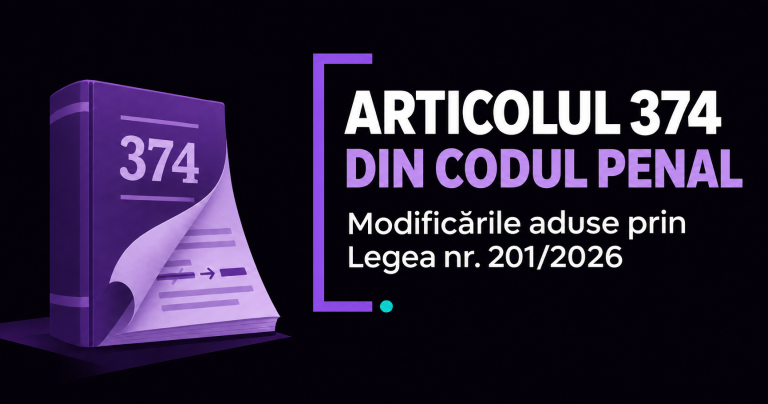
Child pornography. Note (October 2026 update): art. 374 of the Criminal Code, including its title, was amended after this page was published, by Law no. 201/2026 (Official Gazette no. 865 of 15 October 2026), in force since 18 October 2026. This entry reflects the version in force when the page was written.
I also act for victims of investment scams, including fake trading platforms, crypto Ponzi schemes and online fraud networks. In these cases, I file and pursue criminal complaints, work with forensic experts for on-chain tracing, and coordinate with authorities to increase the chance of asset recovery.
Beyond defence and litigation, I provide legal consultancy to companies and founders on cybercrime prevention, MiCA-compliant structures and risk management, helping to mitigate exposure before investigations arise.
To support this work, I collaborate with a specialised OSINT (Open Source Intelligence) and incident response team, enabling rapid identification of digital footprints, threat actors and compromised infrastructure. The same team supplies the forensic and investigative material that the defence uses in court.
FAQ
What does a cybercrime lawyer in Romania handle?
Can crypto-assets be frozen in a Romanian investigation?
I’ve received an EAW. Can you help?
Do you work with international clients and co-counsel?
Disclaimer: This material is for general information only and does not constitute legal advice. For advice on your specific situation, please seek qualified legal counsel.
Jurisdictional focus: Romanian law with EU elements where relevant (MiCA, EAW).
See also: George Zlati’s full profile.
Write to me or message me on WhatsApp and I will tell you what the next steps are in your case.
Practice area: Cybercrime defence.
About the Author: George Zlati

Citește și